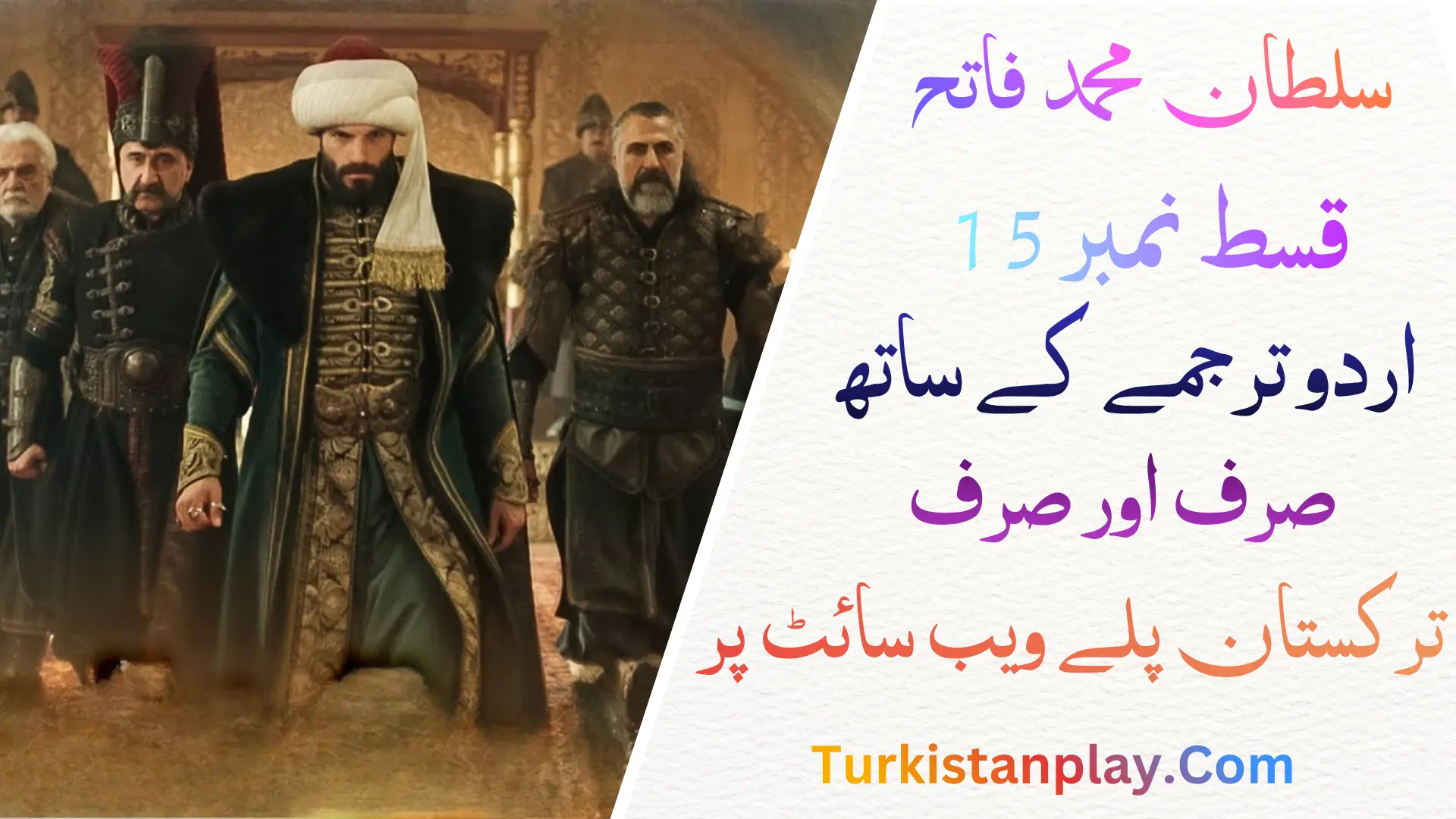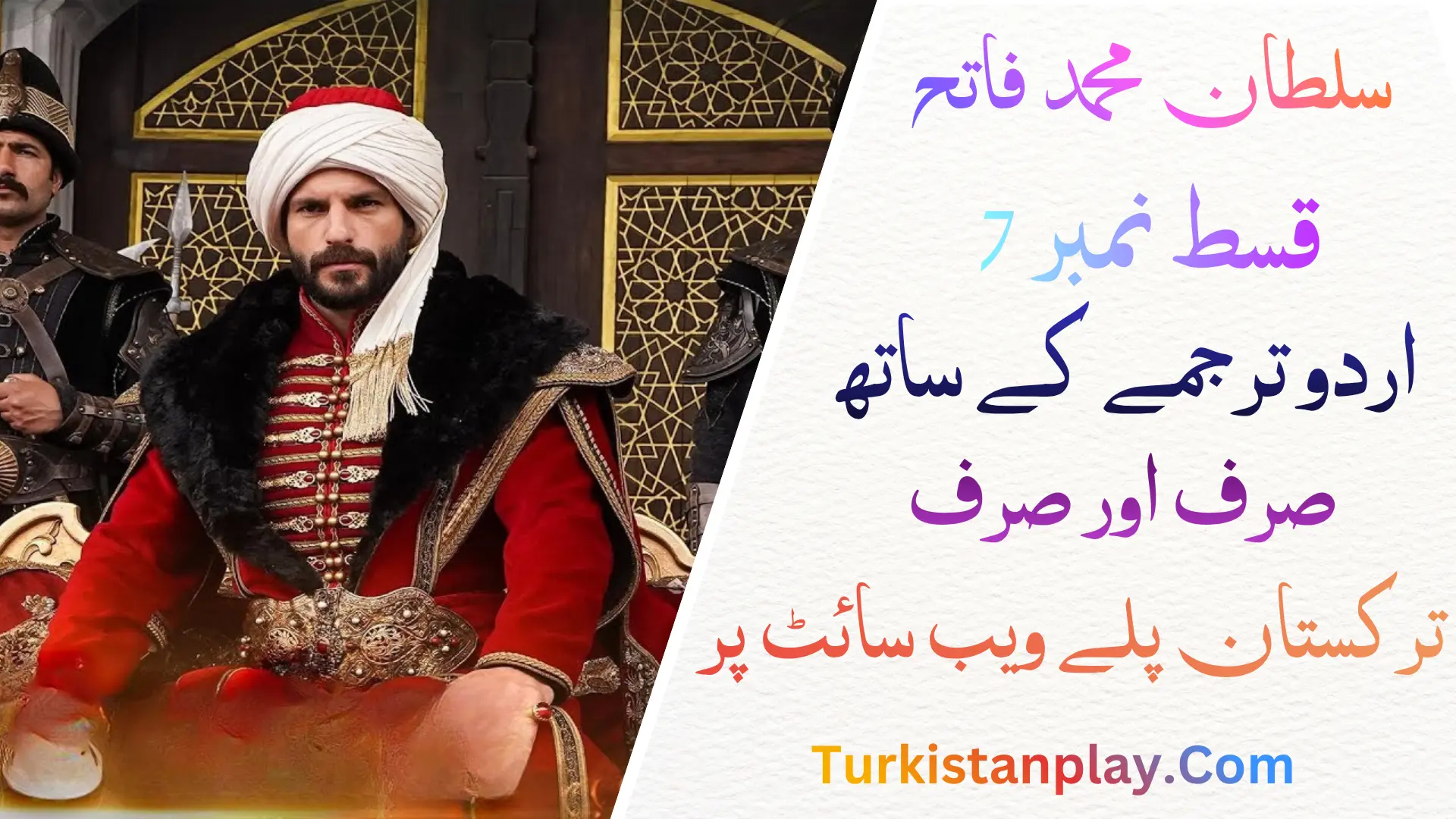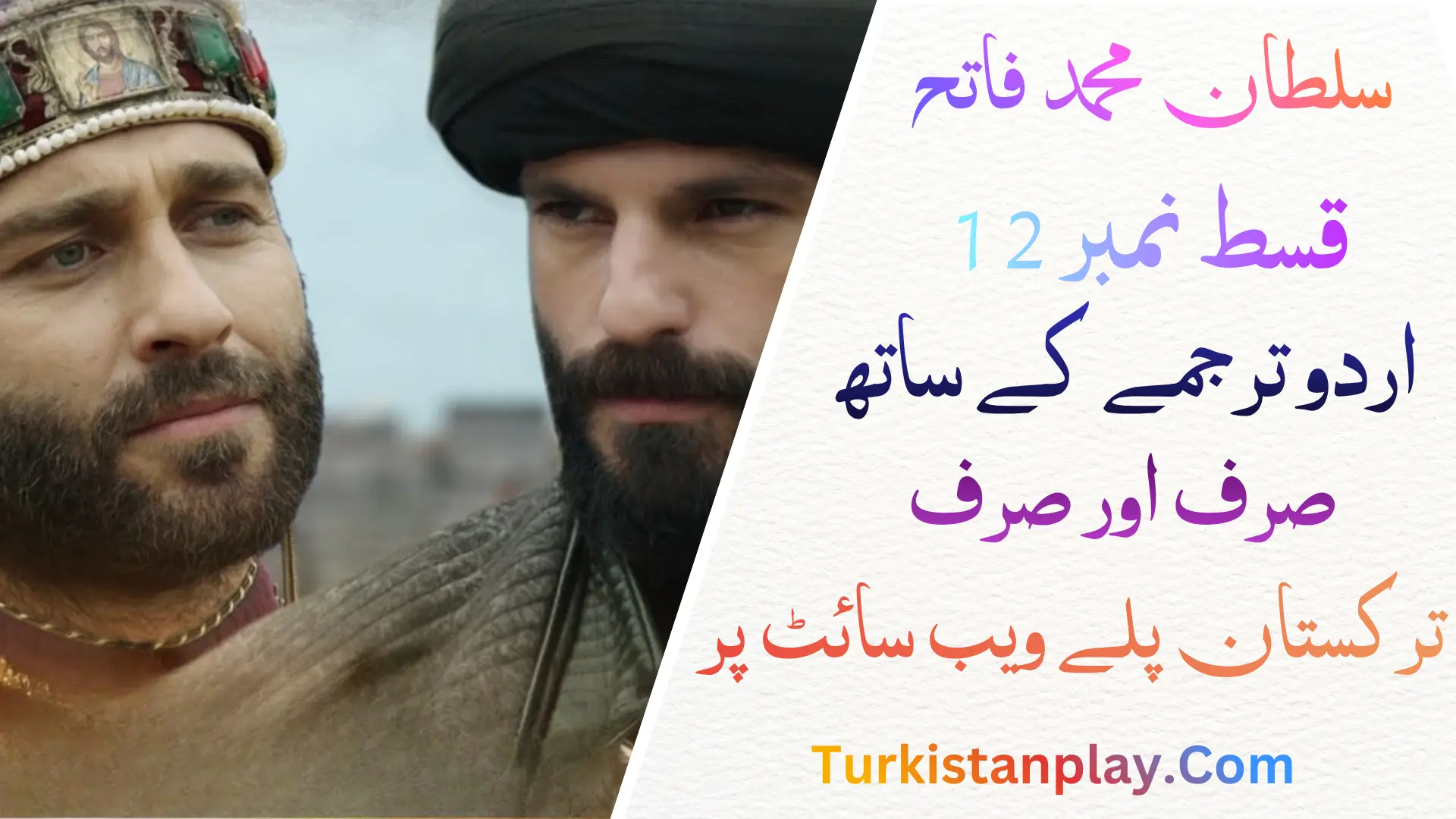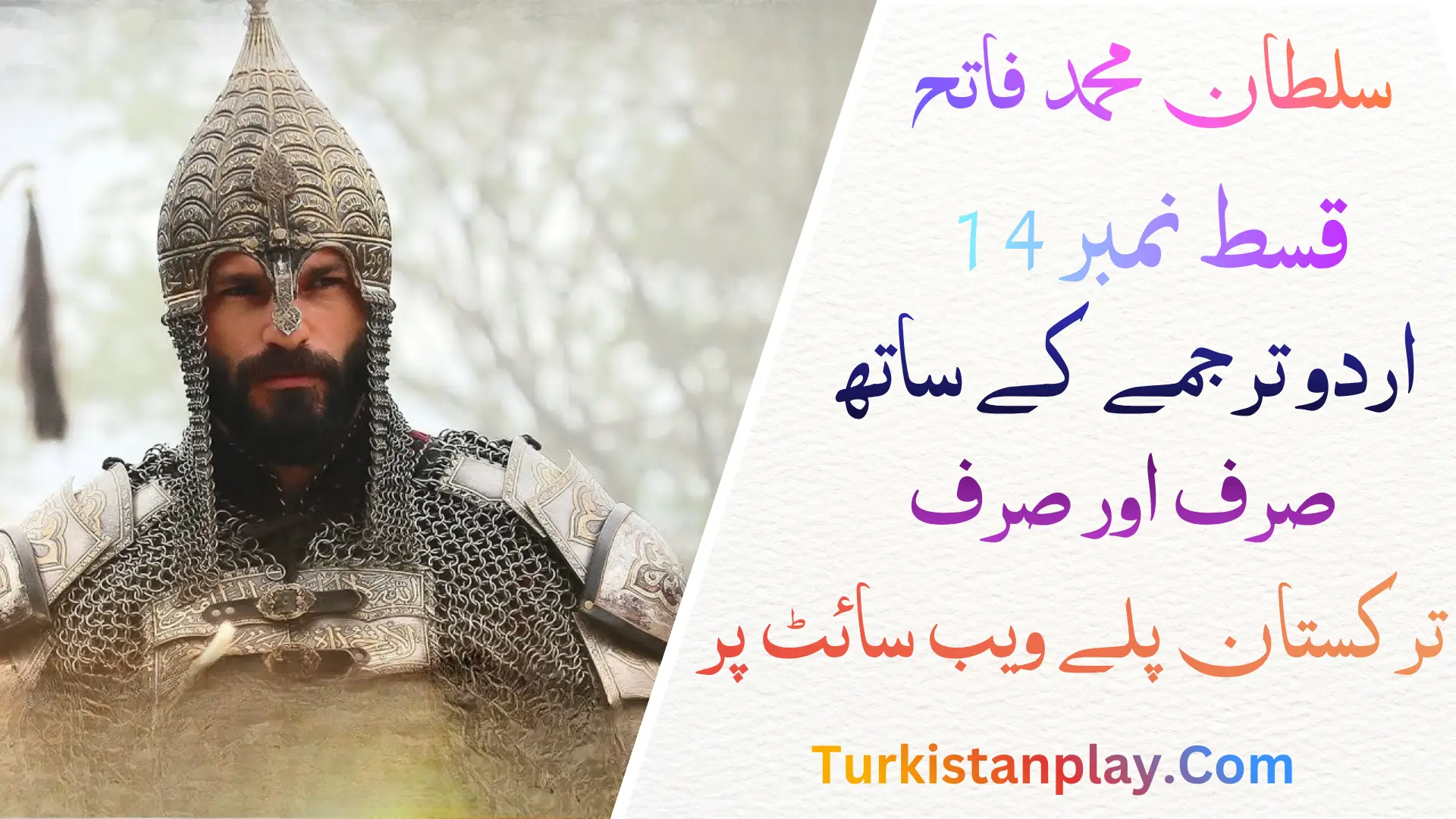
Sultan Muhammad Fatih Episode 9 In Urdu Subtitle
Shadows of the Throne: Palace Spies, Siege Science, and the Karaman Campaign
The history of empires is frequently written on open battlefields where massive armies collide under royal banners. Yet, the true stability of a dynasty was often decided within the quiet, heavily guarded corridors of the palace, where harem politics and internal conspiracies posed a greater threat than foreign shields. When a sovereign mobilizes his military forces for an external campaign, the resulting absence opens the floodgates for factional power struggles at home. The strategic maneuvering of Sultan Mehmet II highlights the delicate balance between expanding territorial borders and ruthlessly defending the royal lineage from internal collapse.
The Metaphysics of War: Inner Discipline and the Divine Order
The unfolding historical narrative opens not with a clash of steel, but with a deep philosophical reflection on death, fate, and cosmic balance. Contemplative verses emphasize the ultimate inevitability of death (ecel), reminding warriors that personal existence must align perfectly with a higher universal order (nizam-ı Alem) to leave an enduring legacy.
This spiritual framing transitions directly into a religious call to arms, urging believers to maintain absolute patience, steadfastness, and fear of God before launching into battle. This deep connection between worldly campaigns and an internal, moral struggle reveals a foundational truth: the greatest war a leader must wage is against the self or ego (nefs), an internal discipline modeled by figures who endure personal isolation and resentment silently for a higher spiritual cause.
Raising the Banners: Logistics of the Karaman Campaign
With spiritual foundations established, the Ottoman war machine initiated rapid logistics for a major campaign targeting Edirne and Karaman. Massive columns of elite troops prepared to march through strategic regional checkpoints, including Beyşehir, Akşehir, and Karahisar.
To ensure overwhelming force, the campaign received vital tactical support from regional lords (Anadolu Beylers) and the mobilization of İsa Bey’s veteran units from Bursa.
However, this campaign carried heavy personal stakes. The Sultan committed to the war with absolute determination, acknowledging that either his hostile father, İbrahim Bey, or he would perish in the impending clash. The Karaman principality stood on fiercely contested territory, setting the stage for a catastrophic domestic confrontation where two rival rulers from the same wider lineage faced each other in open warfare.
Harem Espionage and the Realpolitik of Succession
While Sultan Mehmet led his forces toward the frontline, the royal capital transformed into a hotbed of palace intrigue and harem espionage. Factions operating within the court sought to exploit the Sultan’s absence by manipulating the social networks inside the harem to control the young Şehzade Ahmet.
Rival courtiers used secret alliances to isolate the prince, prompting loyalists to deploy Halime Hatun and Gülşah Hatun as close companions to shield him from courtly vulnerabilities and potential coup attempts.
The political volatility intensified with realpolitik hostage diplomacy. When an opposing faction captured a key player named Mustafa, tense negotiations erupted to exchange him for Şehzade Ahmet to avoid immediate bloodshed. These complex harem dynamics illustrate that the private residence of the Sultan was not merely a domestic space, but a primary battleground for shifting royal allegiances.
Palace Guardianship and the Science of Combined Arms
To protect the heart of the empire during the active campaign, Sultan Mehmet implemented a highly integrated system of governance. He officially divided administrative duties between two of his most trusted advisors:
- External and Capital Affairs: Entrusted entirely to the strategic high-ranking vizier, Çandarlı Halil Paşa.
- Internal Security and Palace Protection: Placed under the absolute command of Evrenesoğlu Ali Bey, who was appointed to the powerful post of Palace Guardian (Saray Emini).
Ali Bey enforced strict security protocols, completely banning unauthorized entry into the private quarters to suppress any internal conspiracies.
This administrative stability allowed the frontline army to utilize highly sophisticated, scientifically-informed military science. Scholars introduced advanced strategic manuals and cutting-edge artillery technology, including massive siege cannons (Acem topu) and engineering treatises by İbn Mengin.
On the battlefield, the Ottomans deployed a masterful combined arms strategy. This involved meticulous coordination between light cavalry raiders (Akıncılar), heavy feudal cavalry (Sipahis), and elite infantry units (Yeniçeri), who utilized advanced swordsmanship, flanking maneuvers, and heavy artillery bombardments to crush regional resistance at the Castle of Alaya.
Shadow Fronts: Financial Ultimatums and Military Pay Disputes
The conflict extended far beyond open sieges, involving deep diplomatic friction with Western powers. A Byzantine envoy representing Emperor Konstantinos delivered a tense political challenge regarding tribute payments and the political status of Orhan, a rival claimant to the throne. The financial ultimatum attempted to use economic pressure and treasury limits to force the Ottoman Sultan into accepting disadvantageous peace terms, highlighting the precarious regional power balance.
Simultaneously, internal vulnerability threatened the military from within. Tensions erupted over the distribution of traditional military pay (bahşiş), sparking deep dissatisfaction among the elite Janissary corps. Fearing an immediate armed mutiny or an assault on the critical artillery foundry (dökümhane), the leadership had to balance military aggression with absolute internal fairness.
This crisis demonstrated that maintaining troop morale through discipline and fair pay was just as vital to achieving ultimate victory as conquering foreign fortifications.
Conclusion: The Consolidation of Imperial Power
The historical saga closes on a note of triumphant consolidation and poised anticipation. Through a calculated blend of strategic diplomacy, advanced siegecraft, and ruthless internal purges, Sultan Mehmet successfully established firm control over the contested territories.
By evoking ancient tribal marks and ancestral nomadic myths, the leadership effectively rooted its military triumphs in cultural identity. Though foreign empires continued to issue threats and palace factions still harbored secret ambitions, the unyielding authority of the Sultan reestablished supreme order, leaving the empire unified, heavily fortified, and ready for the grand conflicts of tomorrow.
Frequently Asked Questions (FAQs)
Q1: What was the primary geopolitical goal of Sultan Mehmet’s campaign in this narrative?
The primary goal was the military campaign targeting Edirne and the Karaman principality. The operation aimed to consolidate imperial control over contested regional territories, secure vital castle approaches like Alaya Kalesi, and eliminate the hostile resistance led by İbrahim Bey.
Q2: Why was the appointment of Evrenesoğlu Ali Bey as Saray Emini so critical?
As the Palace Guardian (Saray Emini), Evrenesoğlu Ali Bey was given absolute command over internal capital security and harem protection. This crucial appointment allowed the Sultan to march to war knowing that the royal palace was shielded against internal coups, unauthorized infiltration, and succession conspiracies.
Q3: How did harem politics influence the succession struggle regarding Şehzade Ahmet?
The harem served as a primary hub for espionage and political manipulation. Factions attempted to isolate and influence the young Şehzade Ahmet to shift the future line of succession, forcing protective figures like Halime Hatun and Gülşah Hatun to constantly monitor his surroundings to prevent a palace insurrection.
Q4: What advanced military technologies were introduced during the campaign preparations?
The Ottoman forces utilized sophisticated military science, drawing on strategic engineering manuals and advanced artillery treatises, such as the works of İbn Mengin. A key technological element was the implementation of heavy siegecraft and specialized artillery units (Acem topu) overseen by expert engineers like Urban.
Q5: What internal challenges did the Ottoman leadership face within their own military ranks?
Beyond battlefield enemies, the leadership faced severe threats of internal mutiny due to disputes over military pay (bahşiş). Dissatisfaction within the elite Janissary corps (Yeniçeri) and factional power struggles between infantry and the artillery units (Topçu Ocak) required strict discipline to preserve military morale.