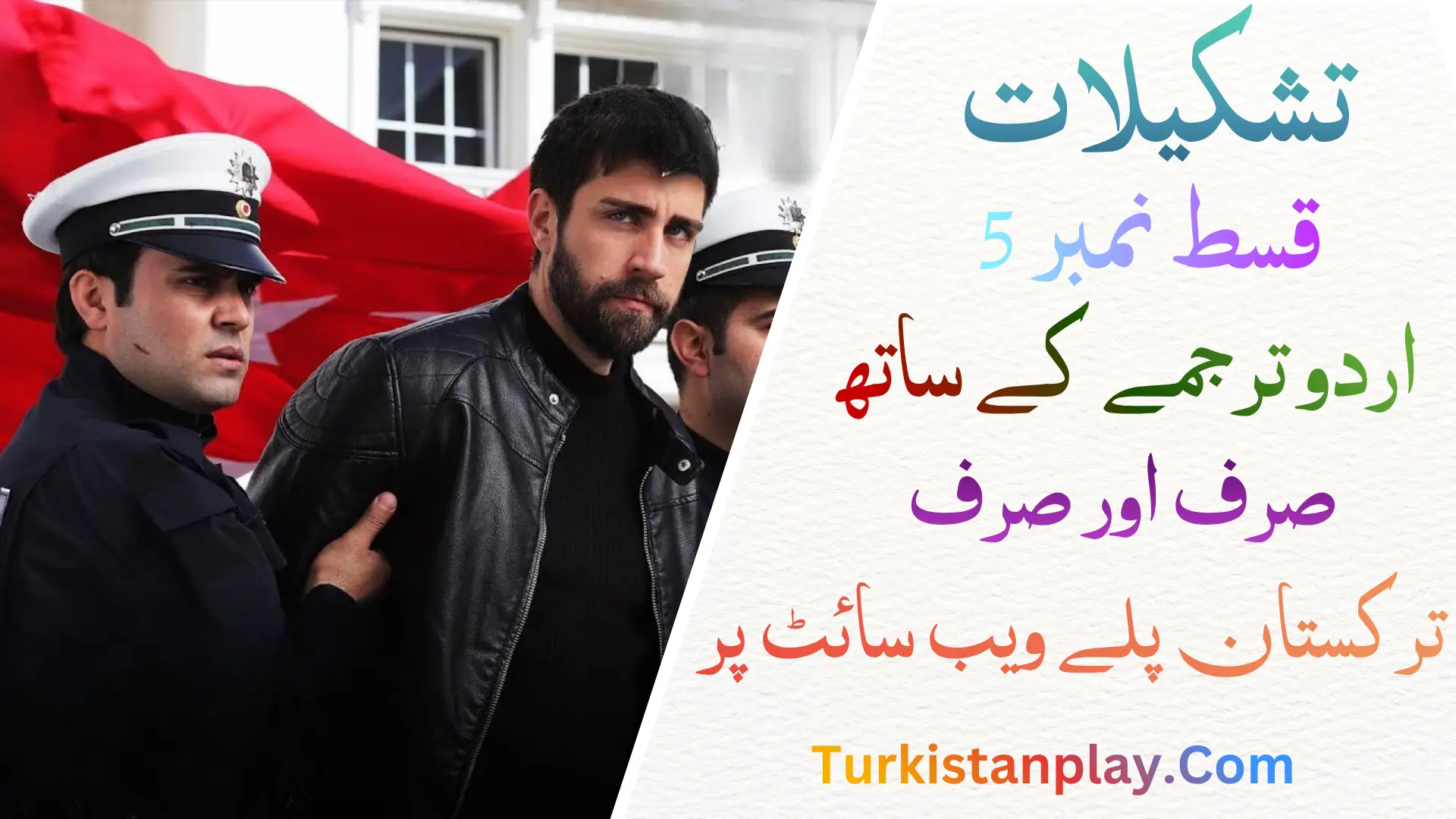

Teskilat Episode 13 In Urdu Subtitle
The Architecture of Modern Counter-Terrorism: Hybrid Warfare, Cyber Infiltration, and the Human Cost of National Security
The contemporary security landscape is no longer defined solely by conventional battlefields. Modern counter-terrorism requires a sophisticated understanding of asymmetric threats, where non-state actors deploy multi-layered tactics to destabilize urban environments. In high-stakes intelligence scenarios, state organs frequently uncover coordinated plots aiming at catastrophic destruction. A prime example is an imminent, large-scale assault targeting a highly fortified strategic location, often referred to as the fort or the castle.
When dealing with such extreme national security emergencies, intelligence agencies face the difficult task of neutralizing threat networks that have infiltrated vital infrastructure. These networks embed themselves across critical fields, including logistics, the supply chain, and international finance. Preventing a coordinated catastrophe requires quick, decisive institutional mobilization, where ground operations must be perfectly paired with real-time electronic surveillance to track down perpetrators before attacks can be launched.
1. Coordinated Counter-Terrorism Operations and Tactical Execution
When a specific terror cell is identified, the operational execution demands absolute procedural precision to prevent suspects from alerting one another. For instance, uncovering an active cell consisting of eighteen high-risk suspects requires intelligence networks to map out multiple target locations simultaneously. To execute an effective security crackdown, agencies plan synchronized police raids across several distinct points—such as conducting six simultaneous operations—ensuring complete tactical containment.
However, field operations are highly fragile and must constantly adapt to changing intelligence. If real-time monitoring reveals potential traps or immediate physical danger to the team, commanders must make the difficult decision to temporarily suspend planned raids. Managing these sudden shifts requires strict operational secrecy and absolute calm within the ranks. Operatives are forced to balance the safety of the team with the urgent necessity of capturing high-value leaders who hold the keys to the entire insurgent network.
2. Cyber Warfare and the Disruption of Terrorist Financing
A decisive core of modern counter-espionage occurs within the digital layer, where cyber capabilities serve as a powerful force multiplier to undermine insurgent infrastructure. Tracking the financial trails of modern terror networks reveals highly sophisticated money laundering operations executed through shell companies and complex vehicle transfers. To completely expose and freeze these illicit funds, state agencies deploy coordinated cyber offensives.
An illustrative example of advanced cyber intelligence is a synchronized system breach, such as an operation codenamed Lions’ Workshop. Because complex network infiltration is too vast for a single analyst to execute alone, cybersecurity teams rely on a minimum of three expert hackers working together to breach fortified financial databases. By launching distributed denial-of-service attacks from multiple global IP addresses, cyber teams can successfully compromise administrator passwords, bypass system protections, and extract critical transaction logs. This real-time digital warfare allows law enforcement to trace and disable the financial mechanisms backing active threat cells.
3. Psychological Operations, Encrypted Communications, and Coded Networks
Modern conflicts extend far beyond physical battlefields into the psychological domain, where information control and propaganda are used as strategic weapons. Hostile organizations plan targeted psychological warfare campaigns, such as reading threatening messages directly into a camera to maximize public panic and fear across civilian populations. These groups also target vital infrastructure—including a high-profile attack on a television tower in Ankara—to trigger widespread alarm and broadcast their messages directly to the public.
To maintain absolute security before an assault, sophisticated terrorist networks avoid conventional digital communication, opting instead for highly complex, encrypted instructions. Intelligence analysts frequently discover that conspirators use coded, food-related language to organize attack logistics and direct undercover operatives like Ceren. Furthermore, insider networks often anticipate systemic responses—such as electrical blackouts and television interruptions—indicating deep structural infiltration and inside knowledge. Unraveling these coded networks requires counter-intelligence teams to maintain continuous data decryption efforts to predict the adversary’s next move.
4. Hostage Situations, Crisis Management, and Urban Vulnerabilities
When a large-scale terror threat escalates, the resulting public anxiety can easily lead to widespread unrest across major metropolitan centers. Threats targeting crowded public spaces—such as metropolitan subways, local schools, and public hospitals—force authorities to deploy strict security protocols and heavy police presence to control civilian traffic. In these high-pressure scenarios, officials must actively call for calm while providing transparency to contain the psychological impact of the threat.
On the ground, field teams must navigate chaotic environments where tactical interventions are directly intertwined with humanitarian concerns. When a terror group deploys a massive arsenal—including multiple bomb-laden minibuses, suicide bombers, and tons of explosives—the lack of complete intelligence increases the operational risk dramatically. Ground operations often turn into violent confrontations during hostage rescue efforts, such as saving innocent civilians and airport cleaning staff caught in the crossfire. Operatives must execute quick equipment checks, seize electronic devices for forensic analysis, and secure targets before catastrophic detonations can occur.
5. The Human Cost, Interrogation Dynamics, and Personal Sacrifice
Behind the clinical planning of cyber strikes and simultaneous police raids lies a heavy, deeply personal human cost borne by operatives and civilians alike. The life of an intelligence agent demands absolute personal sacrifice, where individuals work tirelessly, sacrificing sleep, comfort, and physical safety to protect the collective cause. Internal team cohesion is constantly tested by interpersonal grievances, emotional conflicts, and suspicions of betrayal within the ranks, forcing agents to maintain discipline under extreme pressure.
The profound trauma of conflict is also felt deeply by families and vulnerable children, such as a young girl named Yağmur, who experiences severe emotional turmoil and parental confusion due to prolonged separation and past tragedies. To protect these innocent lives and secure actionable intelligence, handlers engage in high-stakes negotiations and intense interrogations with high-value detainees. Forcing compliance often requires leveraging the safety of the detainee’s family or negotiating specific legal concessions regarding court trials, extradition, and punishment under Turkish law, showing the delicate balance between the rule of law and national survival.
6. The Race Against the Clock: Flight Terminals and Tactical Interceptions
The final, high-adrenaline phase of a counter-terrorism operation is almost always a race against the clock, where timing dictates the line between success and catastrophe. When intelligence updates identify high-risk suspects moving toward a critical transit hub, the team must rapidly calculate their interception strategy within a tight window of just a few hours.
A prime example is a time-critical tracking operation at an airport terminal, where a primary suspect is scheduled to board an international flight at an exact time, such as 12:15 local time. Operatives must debate whether to execute a preemptive interception or wait for the target at specific boarding gates, taking care to use absolute stealth to avoid alerting the suspect prematurely. By leveraging real-time surveillance and tightening the net around hidden access points, elite intelligence units can successfully halt the escape, secure the fugitives, and bring critical personnel safely back under national control.
Frequently Asked Questions (FAQs)
What is the primary objective of a synchronized counter-terrorism raid?
Synchronized raids are designed to target multiple locations at the exact same time to prevent suspects from warning each other. For example, hitting six locations simultaneously to capture eighteen suspects ensures the entire cell is contained before operatives can destroy evidence or flee.
How do social media and television towers figure into modern terror strategies?
Hostile groups use television towers and public media streams as strategic tools for psychological warfare. By attacking communication infrastructure, they attempt to broadcast threatening messages directly to the population, manufacturing public panic and destabilizing societal morale.
What is the Lions’ Workshop (Aslanları Atölyesi) operation?
The Lions’ Workshop is a coordinated cyber offensive designed to breach the financial systems used by terrorist networks. It utilizes a minimum of three expert hackers who launch distributed denial-of-service attacks across global IP addresses to crack administrator passwords and extract transaction data.
How do terrorist cells use coded language to avoid intelligence tracking?
To bypass standard surveillance, conspirators use highly complex, encrypted instructions disguised as ordinary, food-related terms. This coded language allows extended networks and deep-cover operatives to organize attack logistics and plan blackouts without triggering initial security alarms.
What tactical dilemmas do operatives face during airport interceptions?
When a high-risk suspect is minutes away from boarding a flight, such as a strict 12:15 departure window, operatives must choose between a fast preemptive strike or waiting at the gate. The team must maintain complete stealth and wait for explicit command orders to prevent the suspect from escaping or triggering an explosive device in a crowded terminal.