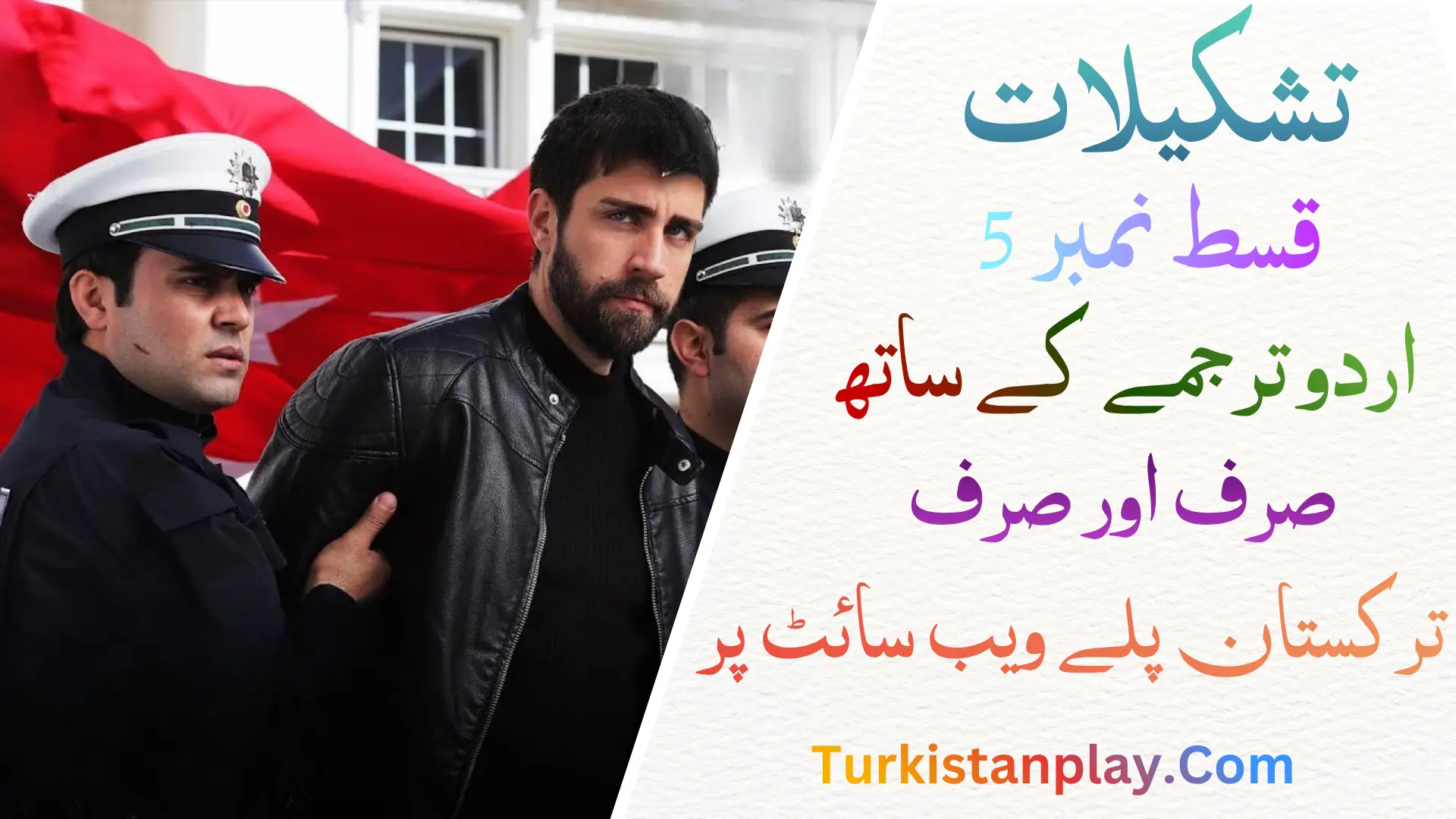
Teskilat Episode 5 In Urdu Subtitle
The Geometry of Asymmetric Warfare: Counter-Terrorism, Cyber Tactics, and the Human Cost of Covert Operations
Modern state security has evolved into a complex, multi-layered arena where physical threats and digital warfare happen at the exact same time. The contemporary intelligence ecosystem demands that agencies coordinate law enforcement, technical cyber teams, and diplomatic channels simultaneously to prevent massive catastrophes. When a high-stakes crisis breaks out in an urban center, success depends entirely on an agency’s ability to bridge the gap between physical field response and real-time digital surveillance.
This in-depth analysis explores the tactical realities of modern counter-terrorism, the critical role of cyber warfare in tracking threats, the geopolitical friction of international diplomacy, and the severe psychological toll experienced by operatives executing these high-pressure missions.
1. Counter-Terrorism Dynamics: Managing Multi-Layered Threats
The absolute core of modern counter-terrorism relies on a fast, decentralized response. When a crisis hits—such as a bomb-laden vehicle packed with explosives hidden in a crowded city center—the immediate threat triggers an instant scramble across multiple security sectors. Safely neutralizing a vehicle loaded with explosives requires perfect coordination between active police cordons, bomb disposal units, and intelligence analysts.
In these high-stakes scenarios, field operatives frequently prefer using independent, real-time tactical decisions over waiting for slow bureaucratic approvals. Experience proves that on-the-ground expertise is often the most effective asset when racing against the clock. Managing a crisis like this means handling a vast, hidden network of informants, double agents, and hostile forces, where a single miscalculation can result in mass casualties.
2. Cyber Warfare and Encrypted Communications
While physical perimeters and high-speed police chases are necessary to contain a threat, the decisive breakthrough in modern operations usually happens in the digital layer. Intercepting, tracing, and manipulating phone signals has become a foundational tool for counter-intelligence teams trying to dismantle terrorist plots.
When tracking a bomb-carrying suspect through a complex cityscape, cyber operatives use advanced phone hacking, remote data access, and signal tracing to uncover hidden plans. These technical specialists intercept encrypted communications to map out enemy structures before field teams make physical contact. However, digital warfare is incredibly fragile. A minor technical glitch—such as an encrypted phone suddenly locking down during a live trace—can completely break the communication chain, instantly forcing field agents to adapt in a blind environment.
3. Geopolitical Friction and Diplomatic Constraints
Covert operations rarely stay confined to a single country’s borders, meaning counter-terrorism efforts are constantly shaped by international diplomacy. When a national security crisis spills into a foreign jurisdiction, international relations can either help resolve the threat or make it significantly worse.
Hostile actors frequently try to exploit political rifts, international borders, and diplomatic immunities to avoid capture. When foreign authorities refuse to share vital information or level false accusations against tracking operatives, the political gridlock can stall an active investigation. Navigating an international crisis requires intelligence agencies to balance operational urgency with delicate diplomatic communication, ensuring that field actions do not trigger a major international incident.
4. The Blurred Line Between Professional Duty and Personal Vulnerability
Behind the precise technical planning and strategic execution of every mission lies a heavy, often invisible human cost. Covert operatives are forced to live double lives, and the strict secrecy required by their jobs can put an immense strain on their personal relationships.
When operational secrets intrude into personal bonds, communication breakdowns happen easily. Lies and deception—even when completely motivated by love, loyalty, or professional duty—create deep pockets of mistrust between close partners and allies. Operatives are frequently forced to lock away intense personal struggles, including processing family losses, coping with chronic trauma, or waiting for news on critical medical emergencies back home, all while staying entirely focused on a time-sensitive mission.
5. Moral Ambiguity and Strategic Extraction Protocols
The murky ethical territory of counter-terrorism means that field teams are constantly forced to make difficult compromises. Operatives regularly face tough ethical dilemmas where every available choice carries heavy consequences, such as deciding exactly when to medically intervene for a casualty versus when to push forward to secure a captured suspect.
Because these high-risk environments are so unpredictable, agencies design detailed exit protocols and strategic extraction plans ahead of time. Safely evacuating civilians and field operatives from a hostile zone requires meticulous logistical coordination. In these final, critical windows, timing is everything. Whether the team is attempting to defuse an active explosive device, extract a deep-cover agent, or coordinate a life-saving medical transport, the absolute race against the clock creates an intense psychological environment where long-term survival demands complete resilience.
Frequently Asked Questions (FAQs)
How do intelligence agencies coordinate the response to an active bomb threat?
Agencies deploy a multi-layered approach that connects local police perimeters with real-time digital surveillance and human intelligence. Field teams track the physical threat while cyber specialists intercept communications to locate the suspect and coordinate with bomb disposal units.
Why is phone hacking so critical in modern counter-terrorism missions?
Intercepting encrypted communication lines allows intelligence teams to trace suspect locations, map out wider hostile networks, and discover attack timelines. Remote data access helps agencies disrupt terrorist plans before an attack can be executed.
How do diplomatic relations impact real-world covert operations?
Hostile networks often exploit international borders and diplomatic immunity to shield themselves from law enforcement. If a host country refuses to cooperate or shares false information, it can slow down an active pursuit and create a complicated international incident.
What causes internal relationship strain among intelligence operatives?
The strict secrecy required by counter-espionage forces operatives to withhold information from their loved ones and partners. This unavoidable deception can lead to communication breakdowns and deep mistrust, even when the secrets are kept to protect national security.
What is an extraction protocol in high-risk security operations?
An extraction protocol is a carefully structured plan designed to safely evacuate operatives and civilians from a compromised or hostile environment. It requires precise timing and coordination across multiple tactical units to ensure a clean exit without casualties.