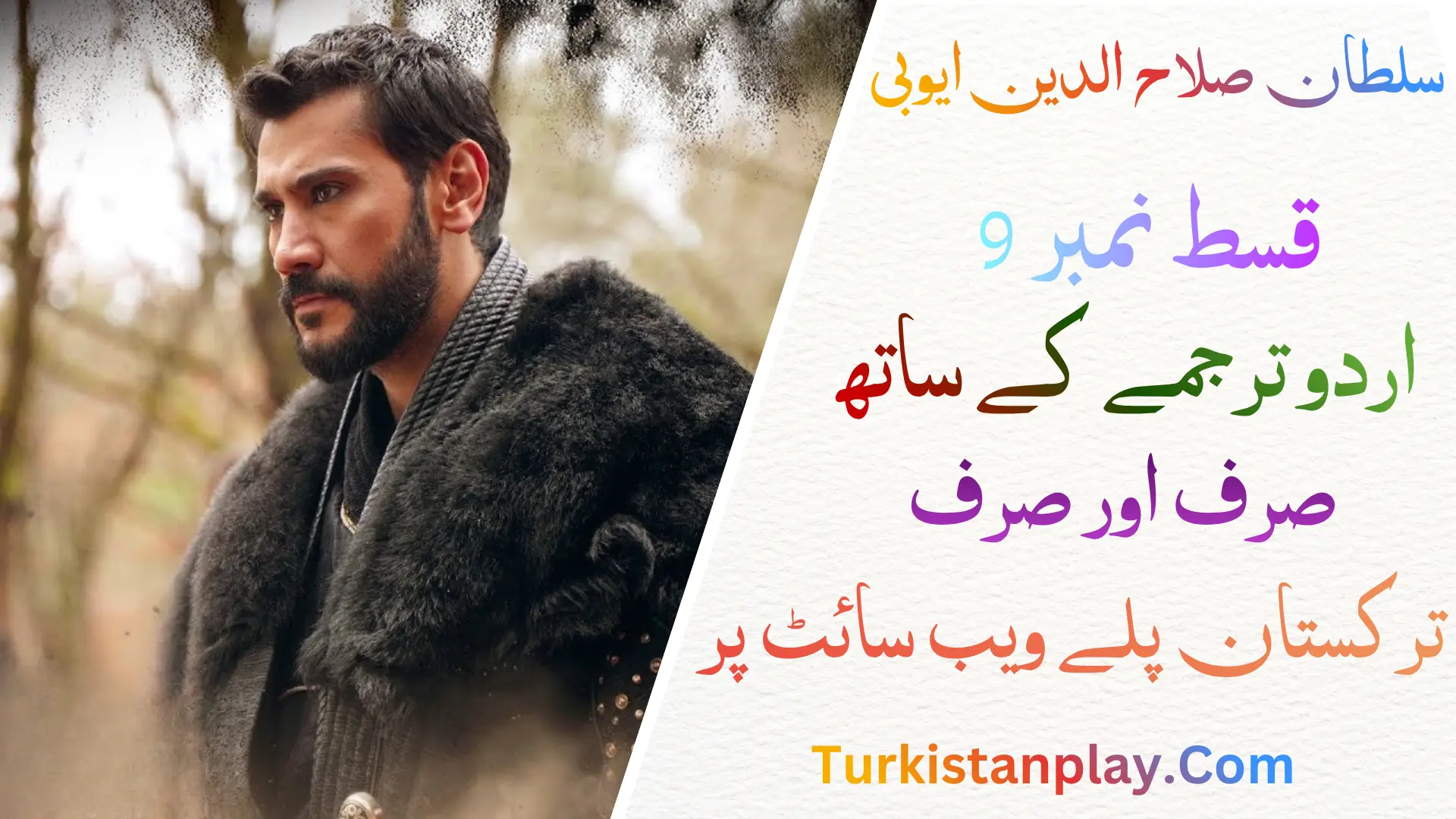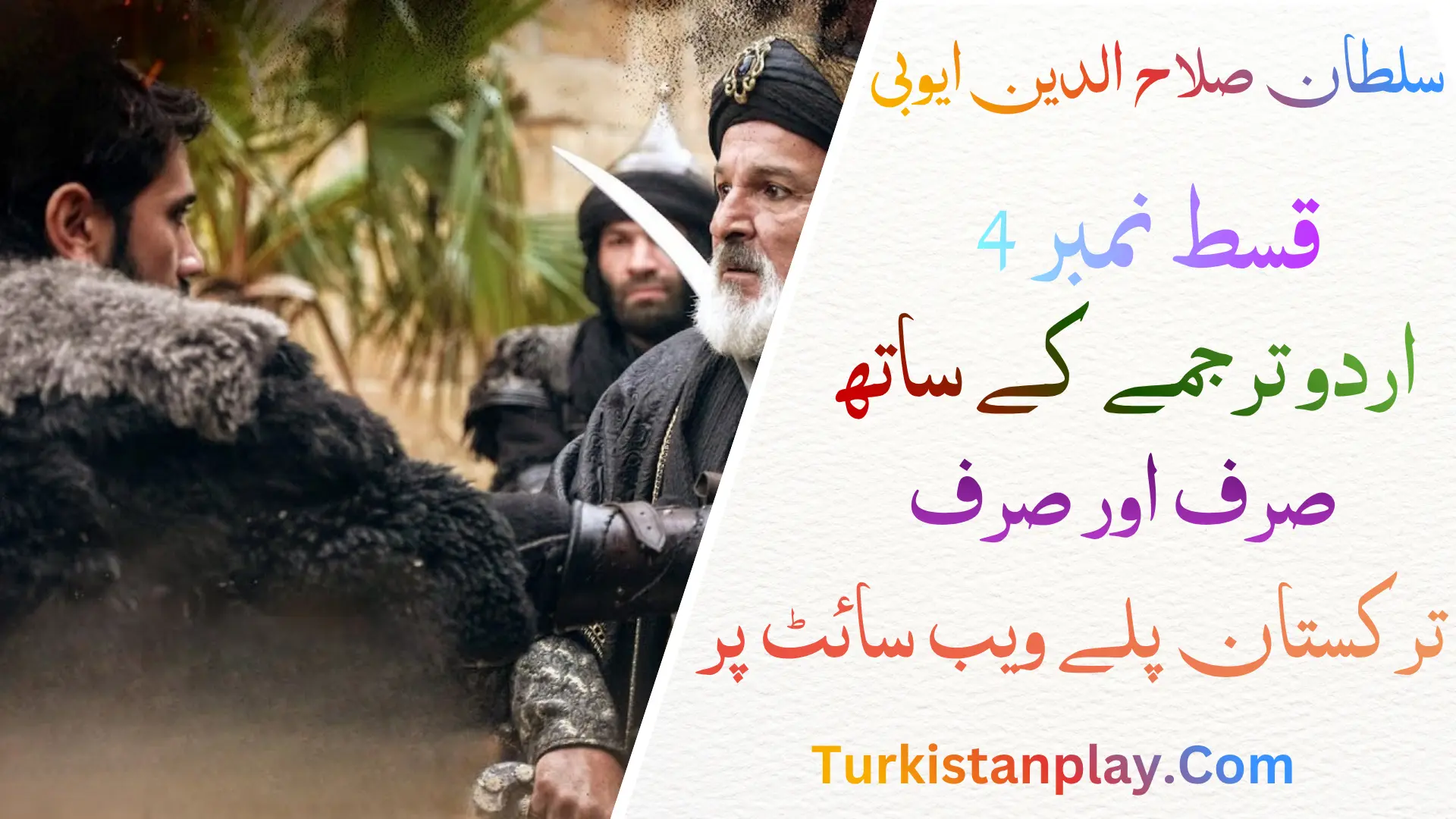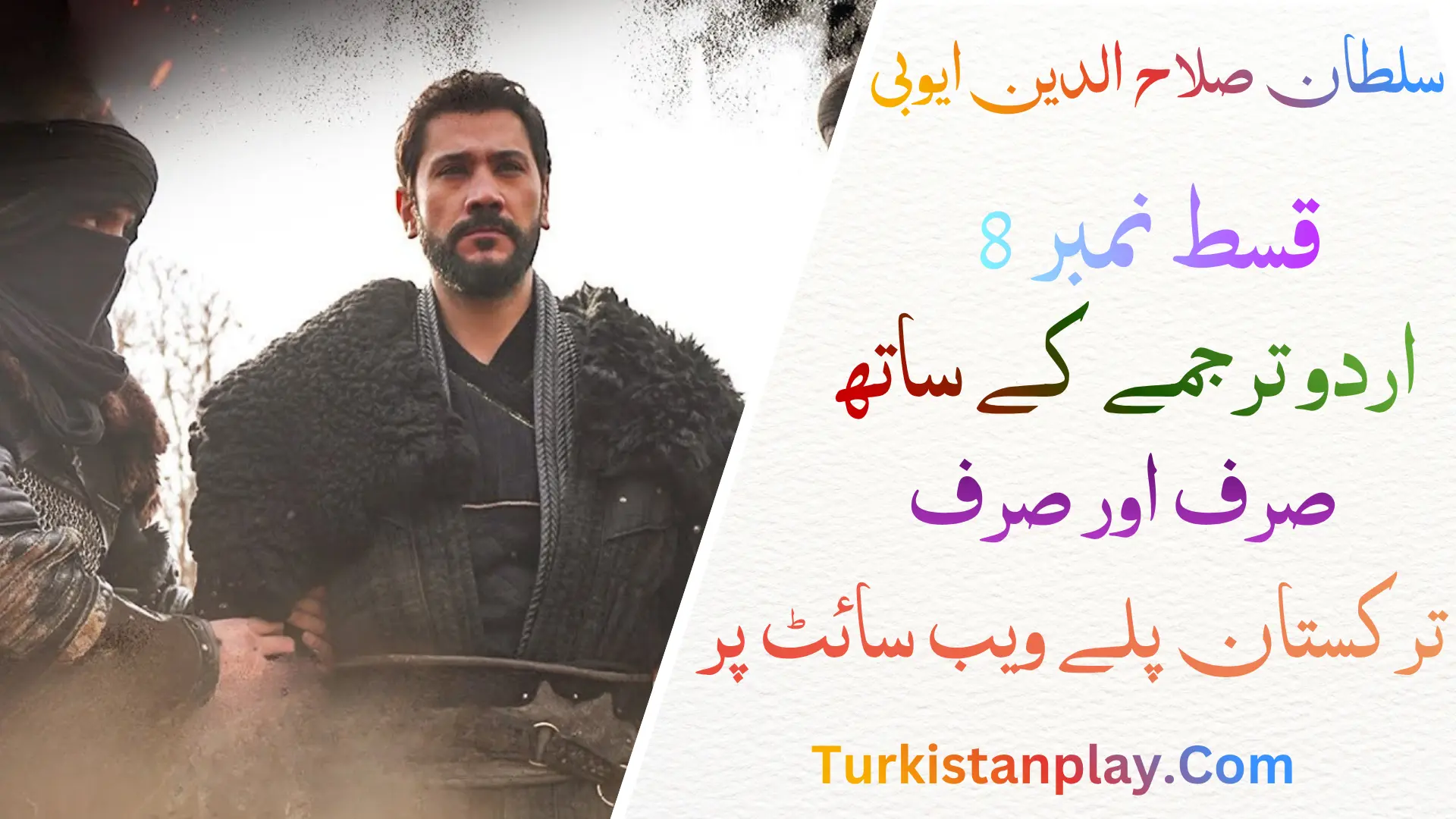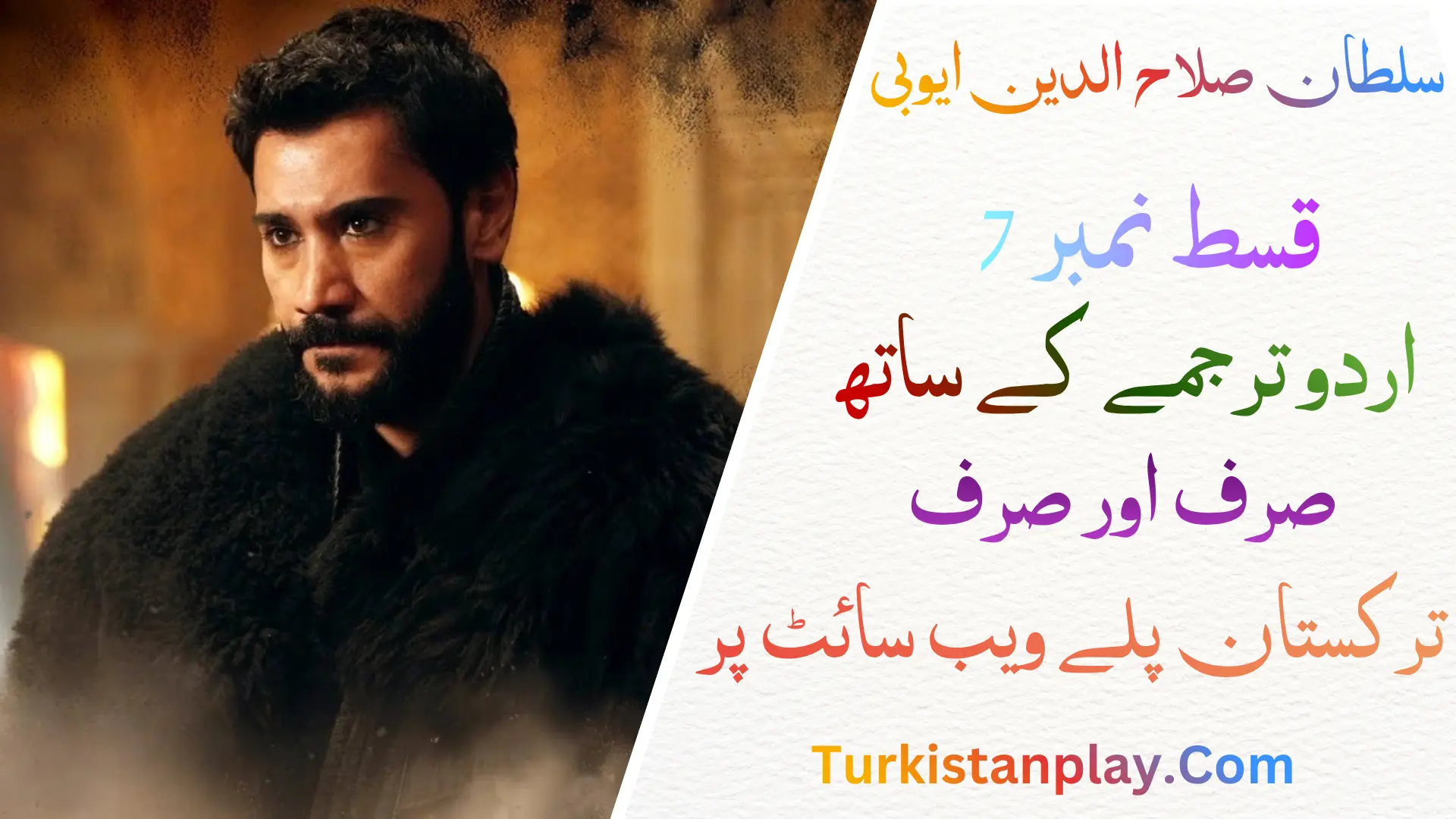
Sultan Selahaddin Eyyubi Episode 3 In urdu Subtitle
Shadows Over the Holy Routes: Treachery, Hostages, and Melik Selahattin’s Dual War
The defense of medieval Islamic territories was a task that demanded absolute military focus. However, historical records reveal that the greatest threats to sovereignty did not always come from advancing foreign armies, but from the dark corridors of internal betrayal. When external invasions align with inner court conspiracies, the survival of an entire civilization hangs in the balance. The ongoing struggle over the sacred lands and vital routes displays exactly how battlefield strategies and hidden political espionage can shape the destiny of an empire.
The Strategic Battleground: Protecting Az Kalan and the Hac Yolu
The conflict during this critical historical period revolved around two critical strategic and symbolic linchpins: the territory of Az Kalan and the vital Hac yolu (the sacred Pilgrimage Route). These regions were far more than mere map coordinates; they represented the very pulse of Muslim sovereignty, cultural identity, and spiritual authority. Securing these pathways was paramount to maintaining religious legitimacy and keeping Muslim lands from falling further under deep Crusader influence.
Melik Selahattin, a valiant and highly strategic leader, found himself carrying the heavy burden of reclaiming these territories. For Selahattin, protecting these routes was a sacred duty tied directly to his people’s honor and long-term survival. Any compromise on these borders meant allowing the enemy to chip away at the spiritual unity of the entire global community.
Hostages as High-Stakes Political Weapons
In medieval warfare, high-value captives were often utilized as powerful diplomatic leverage beyond standard battlefield victories. A tense political standoff emerged surrounding high-stakes prisoner exchanges involving Victoria and the Head Master, who were held by opposing hostile forces.
Sultans and kings from both sides actively plotted and negotiated, attempting to use these human assets to gain territorial concessions and secure vital positions. These delicate prisoner negotiations highlight a complex warfare paradigm where hostage-taking, psychological pressure, and calculated diplomacy decided political outcomes just as much as raw combat prowess.
The Twin Fronts: Crusader Knights and Internal Betrayal
Melik Selahattin’s leadership was forced to operate in a highly precarious position as he was systematically attacked from two distinct fronts:
The External Enemy
The elite Crusader knights, known historically as the Tapınakçılar (Templars), launched fierce confrontations to destabilize the region and expand their stronghold near Jerusalem (Kudüs).
The Internal Traitor
Far more dangerous than the Crusader swords was the growing presence of a hidden traitor operating directly within trusted circles. Deep suspicion fell upon close allies and family members, with internal factions like Turanşah fostering intense distrust.
This internal espionage derailed strategic defense plans, sparked widespread paranoia across the ranks, and severely weakened the cohesion of the Muslim forces at a time when absolute unity was required.
Personal Vendettas Intertwined with Divine Duty
The political climate was further complicated by intense personal relationships and deep emotional ties. Selahattin’s personal bonds and his love for Victoria added a profoundly complex layer to his military decisions, proving that individual passions often sway the fates of entire nations.
Simultaneously, the heavy toll of war introduced a cycle of retaliatory violence. Driven by family betrayals and a burning desire to avenge his brother’s death, Selahattin’s vows of revenge propelled the narrative forward. This fierce blend of personal vendettas with a divine, spiritual mission to liberate Jerusalem imbued the upcoming battles with a powerful ideological fervor.
Conclusion: Bloodshed and Honor on the Horizon
The historical narrative closes on a note of unresolved, rising tension. With major retaliatory battles looming on the horizon, the Muslim leadership stood firmly determined to achieve two unyielding goals: routing out the hidden internal enemies and validating their absolute loyalty to the state through honor and battlefield victory. As the armies mobilize, the characters brace themselves for a decisive confrontation where the survival of sacred lands will be decided by raw steel and spiritual resilience.
Frequently Asked Questions (FAQs)
Q1: Why were “Az Kalan” and the “Hac yolu” so crucial to Melik Selahattin?
Az Kalan and the Hac yolu (Pilgrimage Route) carried immense strategic, cultural, and religious value. They symbolized Muslim sovereignty and spiritual authority. Protecting them was essential for maintaining political legitimacy and ensuring the safety of Muslim pilgrims.
Q2: How were prisoners like Victoria used in this conflict?
High-value prisoners were used as strategic bargaining chips by both sides. Captured nobles like Victoria and the Head Master were leveraged during high-stakes prisoner exchanges to force territorial concessions, alter power balances, and protect critical sacred routes.
Q3: What made the internal betrayal of Turanşah so dangerous for the Muslim forces?
Internal betrayal created a dual-front war for Selahattin. While fighting the Crusaders externally, the presence of inside traitors like Turanşah fostered severe distrust and paranoia, which disrupted military plans and threatened to collapse the defense from within.
Q4: Who were the primary external antagonists fighting against Selahattin?
The primary external threat came from Gabriel and the Crusader knights, specifically the Tapınakçılar (Templars). Their main goal was to seize control of sacred routes and expand Western Christian influence over Islamic territories and Jerusalem (Kudüs).
Q5: How did personal relationships influence the military decisions in this narrative?
Personal emotions strongly drove the political choices of the leaders. Selahattin’s deep affection for Victoria and his intense desire to avenge his brother’s tragic death transformed strategic military campaigns into deeply personal missions of honor and retribution.