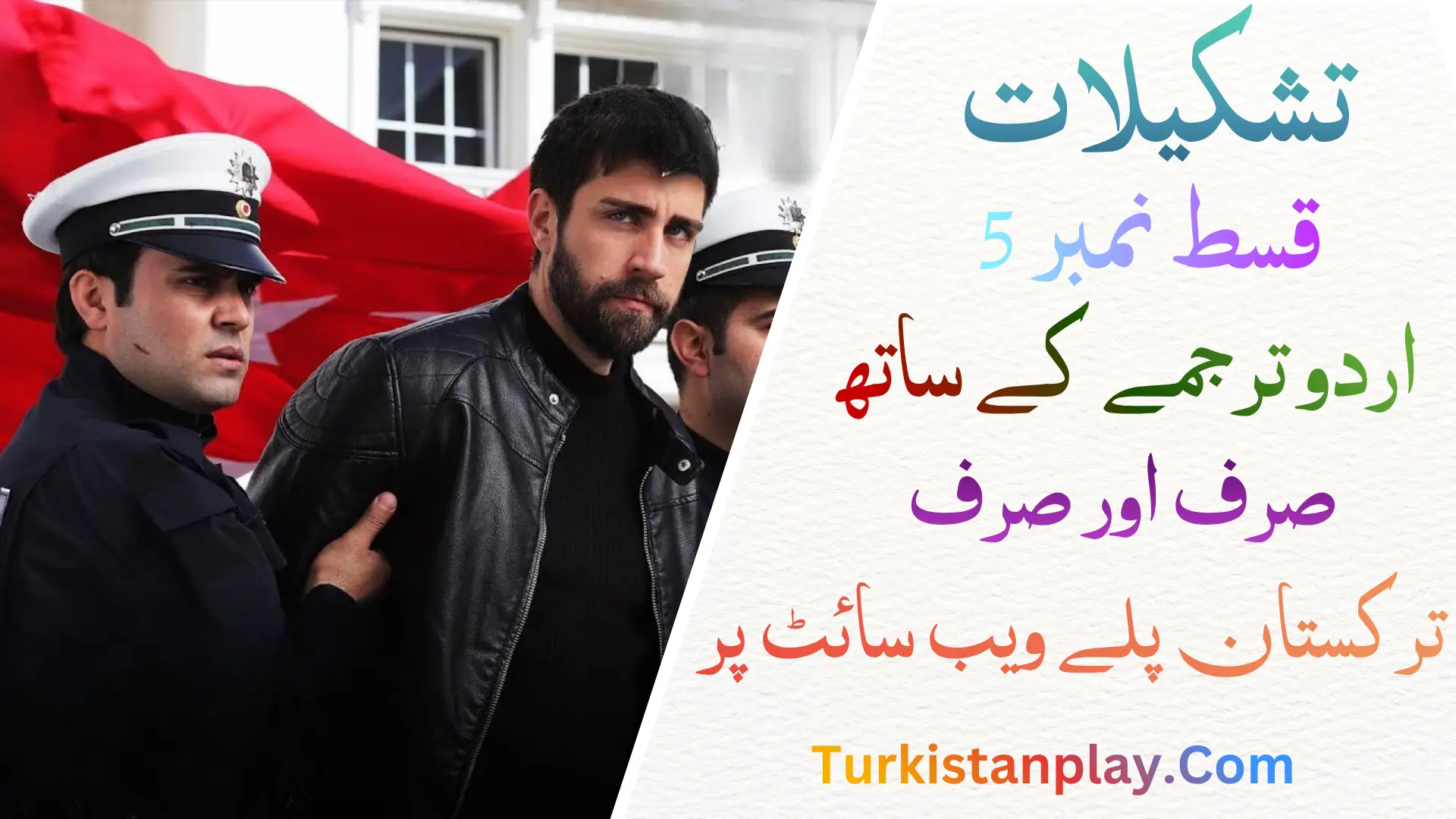

Teskilat Episode 14 In Urdu Subtitle
Crisis in the Airspace: Asymmetric Threats, Tactical Interventions, and the Logistics of Sky Infiltration
Modern state-level security operates under a high-pressure dynamic where sudden asymmetric threats require immediate synchronization across law enforcement, military commands, and counter-intelligence networks. When an active passenger aircraft is seized in mid-air by hostile actors, a routine transport vector is instantly transformed into a flying weapon. Neutralizing a complex hijacking plot requires state organs to deploy deep-cover assets, manage extreme moral dilemmas, and execute cross-agency tracking to stop parallel terrorist strikes on the ground.
This extensive operational review examines the anatomy of an active airplane hijacking, the digital forensics used to track hidden support cells, the strategic defense of sensitive government installations, and the severe human cost borne by those fighting to protect national security.
1. The Anatomy of an Airborne Standoff and Hostage Environment
An mid-air hostage crisis represents one of the most volatile and logistically restricted challenges an intelligence apparatus can face. When a primary hijacker, such as a militant operative named Sait, forcefully takes control of a passenger flight, the immediate goal of the hostile cell is to establish total psychological dominance over the cabin. To systematically destroy any chance of civilian resistance, perpetrators enforce a strict environment of silence and compliance, utilizing explicit bomb threats and visible detonation buttons to discourage rebellious behavior.
The internal friction inside a hijacked aircraft escalates rapidly when violent enforcement results in gunshots and severe civilian casualties, leaving passengers like Hakkı Dayı in critical condition. To cut off the hostages from the outside world, hijackers force the immediate destruction or disposal of all personal mobile devices, identification cards, and belongings. This severe communication blackout leaves ground controllers and tracking units working completely blind, forced to scan urban camera networks and localized telemetry for any physical indication of the aircraft’s position.
2. Strategic Defense of the Fortress and Military Dilemmas
As a hijacked aircraft circles a capital city’s airspace, such as Ankara, the operational threat shifts from a localized hostage situation to a catastrophic national security crisis. Intelligence analysts frequently discover that the underlying motive behind the seizure is political blackmail—such as demanding the forced, safe release of an international militant leader named Fadi. When terrorists refuse to land the plane, the ultimate strategic nightmare emerges: the intent to use the commercial aircraft as a targeted missile to strike a vital government or military infrastructure facility, known as the Kale (“The Fortress”).
Faced with an imminent strike on a sovereign installation, high-level emergency military and intelligence meetings must establish strict contingency plans to manage the threat.
- Onboard Resolution: Prioritizing internal solutions by trusting a highly capable intelligence agent trapped inside the cabin to peacefully disarm the threat.
- Forced Interception: Preparing specialized tactical ground interventions if the aircraft actively deviates toward restricted airspace.
- Air Defense Activation: Deploying sovereign anti-aircraft networks and alerting F-16 fighter jet squadrons to shoot down the plane if a strike on the facility becomes absolutely imminent.
The grave complexity of this decision-making process lies in balancing civilian life preservation against broader national security interests, as executing defensive air strikes guarantees mass civilian casualties.
3. Deep Infiltration, Civilian Bravery, and Medical Sabotage
When external tactical entry is blocked by a locked cockpit door or active explosive devices, counter-terrorism networks rely entirely on the resourcefulness of internal assets and civilian defection. Internal splits frequently develop when secondary conspirators, such as an insurgent named Mervan, realize their leadership’s radical actions will cause indiscriminate mass casualties, prompting them to switch allegiances and assist authorities secretly.
Inside the cabin, surviving hostages survive the immense terror by demonstrating profound personal courage. A prominent example is the presence of a covert medical professional among the passengers who balances providing limited aid to critical casualties with executing strategic counter-measures. When an asthmatic hijacker experiences a severe physical reaction or vulnerability, the doctor can weaponize standard medical equipment. By covertly mixing high-potency sedatives directly into a standard asthma inhaler or spray, the doctor can silently neutralize key perpetrators without alerting the remaining cell, giving internal operatives a critical window to strike.
4. Ground-Level Counter-Espionage and Sleeper Cell Tracking
While field operatives fight to regain physical control of the aircraft, ground-level counter-intelligence units launch aggressive tracking campaigns to dismantle the wider support network enabling the operation. Airborne threats are almost always backed by highly sophisticated networks on the ground that manage the smuggling of weapons, ammunition, and encrypted communications.
Forensic analysts track down high-value targets—such as a critical insurgent contact named Ceren—by synthesizing real-time cellular data, surveillance feeds, and encrypted transmission logs. This research frequently exposes the terrifying reach of hidden sleeper cells, known as “Uyuyanlar” (The Sleepers), who remain completely dark within civilian infrastructure until activated to strike soft targets like urban metro stations or crowded public transit hubs. To counter these unpredictable threats, agencies must isolate transit areas, intercept weapons suppliers, and maintain absolute vigilance, trusting only verified sovereign agents to handle the fluid operational landscape.
5. Operational Resolution, Interrogations, and Sovereign Resilience
The final, high-tension phase of a mid-air crisis requires a complete elimination of the internal threat before the plane runs out of fuel or reaches its target facility. When a trusted onboard intelligence officer, such as Serdar Bey, successfully disarms the explosive devices and neutralizes the active hijackers inside the cabin, the primary objective turns to securing a safe landing vector.
By coordinating directly with ground control while avoiding urban areas to limit potential damage, the pilot can safely redirect the plane toward a secure airfield, such as Esenboğa Airport. A successful landing allows medical transport teams to immediately treat the wounded while tactical units secure the surviving perpetrators without any civilian deaths. Post-crisis operations shift to deep interrogation rooms where captured masterminds, like Sait Fadi, are broken down through complex negotiation and strategic intelligence extraction. Ultimately, overcoming a catastrophic airborne crisis serves as a powerful reminder of a nation’s collective resilience, highlighting the eternal vigilance, deep patriotism, and heavy personal sacrifice required to keep the homeland secure.
Frequently Asked Questions (FAQs)
What is the primary tactical objective of the hijackers during an airborne standoff?
The primary goal of the militant cell is to force political concessions, specifically demanding the safe release and departure of an international terrorist mastermind named Fadi. To achieve this, they weaponize the aircraft, using explicit bomb threats and threatening to crash the commercial plane directly into a highly sensitive government installation known as the Kale.
How do authorities balance military options when a plane targets a strategic facility?
Military commands analyze a tiered response structure consisting of multiple contingency plans. They prioritize using an onboard intelligence agent (Serdar Bey) to resolve the crisis from within the cabin. Ground teams prepare forced terminal interventions, while air defense systems and active F-16 squadrons remain on high alert to shoot down the plane only as a last resort if a catastrophic strike on the city center becomes completely unavoidable.
How can a standard asthma inhaler be weaponized during a hostage crisis?
When an operatively compromised or asthmatic hijacker requires localized medical attention, a covert doctor or asset on board can exploit the situation. By strategically mixing fast-acting sedatives directly into an asthma spray or inhaler, the asset can safely induce unconsciousness in the perpetrator without creating a loud disturbance that could trigger the detonation of onboard explosives.
Who are the “Uyuyanlar” (The Sleepers), and why do they pose a major security threat?
The “Uyuyanlar” represent highly classified, deep-cover terrorist sleeper cells embedded silently inside civilian environments. Because they maintain complete radio silence and do not engage in active communication until given a direct launch order, they are incredibly difficult to detect, posing unpredictable threats to vital urban infrastructure like metro stations and transit networks.
Where does the hijacked plane eventually land, and what is the final outcome?
Following successful internal tactical action by intelligence agent Serdar Bey, the aircraft is brought under complete control and safely guided to a peaceful landing at Esenboğa Airport. Dedicated medical emergency teams immediately secure the cabin, treat all injured passengers, confirm the total clearance of all explosive materials, and take the surviving hijackers into custody for deep counter-terrorism interrogation.