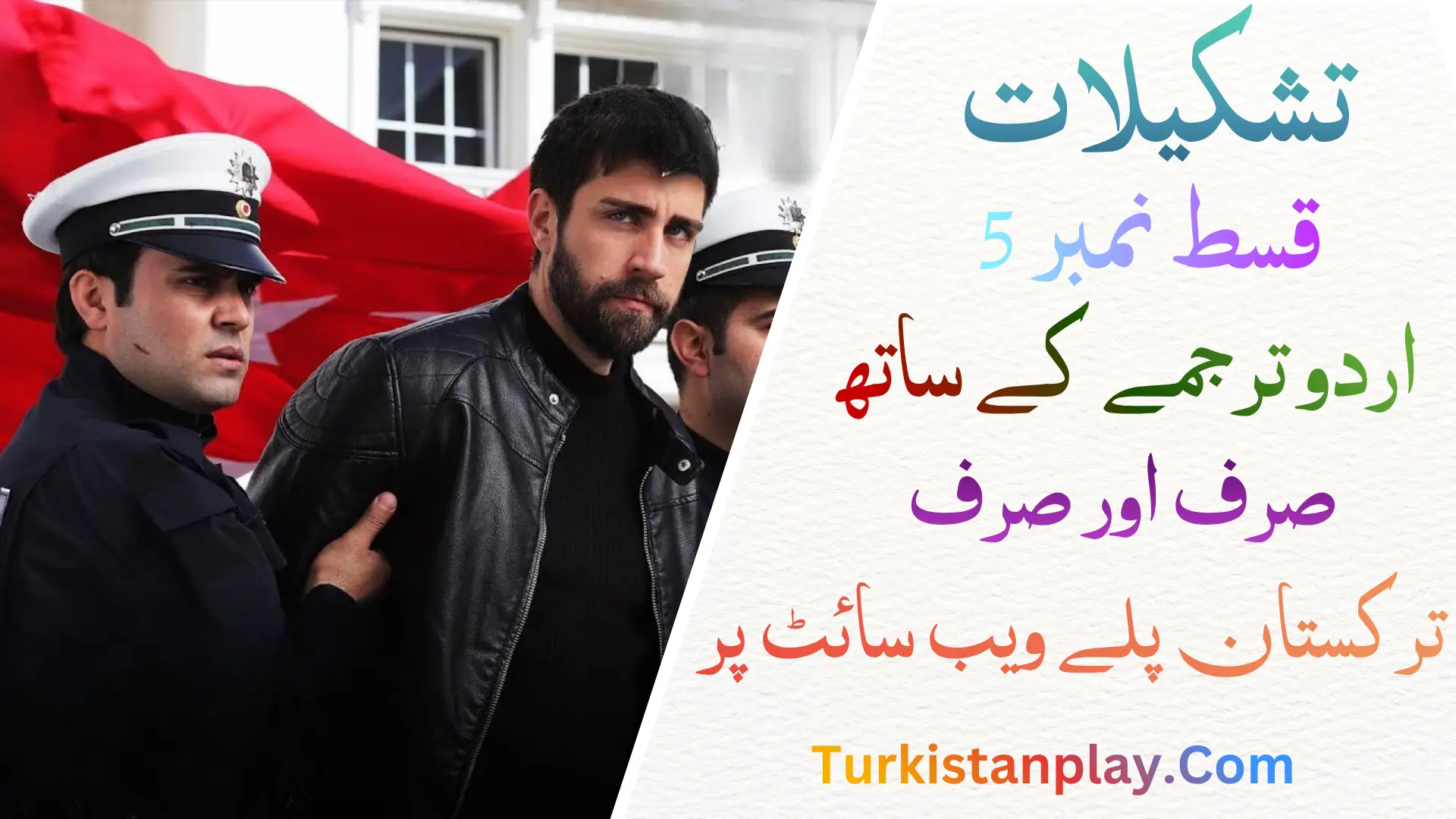

Teskilat Episode 9 In Urdu Subtitle
The Geometry of Diplomatic Friction: Airspace Sabotage, Interrogation Tactics, and Cross-Border Extraction
Modern state intelligence operations exist in a volatile space where unexpected mechanical failures can instantly trigger major international crises. When a covert flight carrying active field agents is forced to make an emergency descent into hostile or restricted territory, a routine transport mission transforms into a complex geopolitical standoff. Protecting national interests in these high-stakes moments requires a seamless orchestration of diplomatic evasion, cyber resilience, counter-surveillance, and emergency tactical intervention.
This in-depth analysis explores the legal and political risks of forced emergency landings, the psychological mechanics of high-pressure interrogations, the regional friction of cross-border sabotage, and the extreme logistics required to execute an aerial military extraction.
1. Forced Emergency Landings and Immediate Political Vulnerabilities
An unexpected aircraft malfunction inside restricted foreign airspace represents one of the most volatile scenarios an intelligence team can face. When an engine failure leaves a flight crew with no choice but to execute an emergency descent into a specific foreign terminal—such as Kozani, Greece—the physical landing instantly opens up a complex web of legal and security risks. The threat level spikes dramatically if the passenger manifest includes a high-value asset or operative, like an individual named Kasım, who carries an active local arrest warrant.
The initial hours on the tarmac become a strategic battleground of stall tactics and bureaucratic maneuvering. Ground operatives must work under immense pressure to delay passport control and customs procedures, trying to buy enough time to shield their vulnerable assets from local law enforcement. Because a disabled aircraft in a foreign terminal cannot legally protect its cargo, the presence of weapons on board and the lack of official diplomatic clearance create immediate tactical friction. This forces command centers to rapidly negotiate temporary accommodation arrangements while working to resolve the crisis before local authorities seize the plane.
2. Psychological Coercion and the Ethics of Intelligence Negotiations
When a high-value asset is compromised during an international incident, rival intelligence services will instantly exploit the asset’s legal vulnerability to extract classified data. The mechanics of high-pressure terminal interrogations rely heavily on a combination of psychological isolation and intense physical coercion.
To break a target’s internal resistance without leaving obvious physical evidence, specialized interrogation units may deploy chemical compliance tactics. This involves the controlled administration of specific physiological toxins that induce severe, terrifying medical symptoms. By pairing the intense physical trauma of the toxin with the immediate threat of abandonment or death, interrogators create absolute compliance. The target is ultimately forced into a survival compromise, trading vital state secrets and network data in exchange for a medical antidote, immediate protection, and the promise of safe passage abroad.
3. Supply-Chain Sabotage and the Mechanics of Cross-Border Conspiracies
Post-incident investigations frequently reveal that catastrophic equipment failures are rarely accidental. Forensic data analysis of a compromised aircraft often exposes deliberate supply-chain sabotage executed at earlier transit points, such as a tampered fueling phase in an international hub like Naples. This strategic interference highlights the broad reach of modern asymmetric warfare, where regional adversaries launch coordinated attacks long before a plane ever leaves the runway.
Unraveling an international aviation conspiracy requires counter-intelligence teams to trace a tangled web of overlapping foreign entities, frequently uncovering hidden collaboration between rival Middle Eastern and European intelligence services. When field agents discover that a sabotage ring is actively linked to a major regional adversary—such as a hostile network commander like Fadi—operational priorities must shift instantly. Task forces receive immediate directives to secure physical wreckage evidence, map out the adversary’s local safe houses, and launch aggressive counter-operations to neutralize the threat before the enemy can exploit the initial sabotage.
4. Rural Surveillance, Minority Vulnerabilities, and Grassroots Humanitarianism
When field operatives are forced to abandon a compromised vehicle and move on foot through foreign territory, the theater of operation shifts from high-tech terminals to the unpredictable terrain of the countryside. Fleeing operatives must navigate active ambushes, surveilled rural roads, and sudden transport failures, making constant tactical communication and real-time coordination essential for basic survival.
In these hostile environments, local social dynamics and cultural tensions heavily influence the team’s security. Intelligence networks often seek shelter within localized ethnic minority communities, such as marginalized Turkish families living in rural European regions who face systematic discrimination, structural isolation, and local school closures. Despite heavy police surveillance and ongoing search operations, these communities frequently lean on deep cultural bonds to offer covert safe havens inside rural homes. This grassroots humanitarian support provides field teams with a crucial operational blind spot, allowing them to rest, treat injuries, and finalize their tactical extraction plans away from public scrutiny.
5. Unorthodox Aerial Extraction and High-Adrenaline Sovereign Intervention
The final phase of an international evasion crisis requires a complete breakdown of conventional logistical boundaries. When standard border crossings are locked down by local police and military networks, an intelligence team must rely on highly creative, low-tech solutions to execute a physical escape.
A classic example of an unorthodox extraction involves utilizing an improvised, low-altitude agricultural aircraft, such as a crop-duster, to bypass radar surveillance and slip across international borders undetected. However, flying a low-speed civilian plane through contested airspace introduces extreme vulnerabilities, as host nations will quickly deploy military assets to intercept the slow-moving target. To counter this threat, the operation must escalate into a multi-tiered sovereign intervention. Next-generation Air Force fighter jets—such as F-16 squadrons—must cross boundaries to provide immediate aerial cover, locking onto hostile interceptors and establishing air superiority to ensure a safe return and a successful conclusion to a high-stakes operational crisis.
Frequently Asked Questions (FAQs)
Why does a forced emergency landing create immediate geopolitical risks?
An emergency landing in foreign airspace strips away an intelligence team’s operational protection. If the passenger manifest includes an operative with an active arrest warrant, or if the plane contains undeclared weapons, the situation can instantly trigger an international legal standoff and a major diplomatic crisis.
How do modern intelligence services use chemical coercion during interrogations?
Interrogators use specific, fast-acting toxins to induce severe physical symptoms in a target. By combining the terrifying reality of a physical health crisis with psychological isolation, they force the high-value asset into a quick negotiation, trading classified data for an antidote and safe passage.
What is the strategic objective behind aircraft supply-chain sabotage?
Adversaries execute subtle sabotage, such as tampering with a plane during a fueling stop, to force an aircraft down inside vulnerable or hostile territory. This allows hostile networks to disrupt sensitive missions, isolate key field agents, and compromise classified intelligence networks without launching an overt military attack.
How do local minority communities influence field operations in foreign territory?
Marginalized ethnic minority communities living in rural conflict zones often provide covert safe havens for fleeing operatives. Driven by shared cultural identity and traditional hospitality, these communities help shield agents from local police searches, giving the team a safe environment to plan an extraction.
What role does sovereign air support play in low-altitude civilian extractions?
When escaping via a slow, improvised civilian aircraft like a crop-duster, the team is highly vulnerable to foreign air defenses. Achieving a safe extraction requires state fighter jets to enter the theater, providing defensive cover and electronic countermeasures to deter hostile aircraft until the team crosses safely back into sovereign territory.